The golden oyster mushroom threatens biodiversity
The invasion of the golden oyster mushroom is posing a threat to native species. And with temperatures warming, further expansion could lead to dire ecological consequences.Yellow flagThe golden oyster mushroom was brought to the U.S. from Asia during the 2000s mostly because it “can grow quickly, which was a boon, as it’s considered one of the most delicious mushrooms a forager can find,” said Vice. What was once deemed a benefit turned out to be a threat.
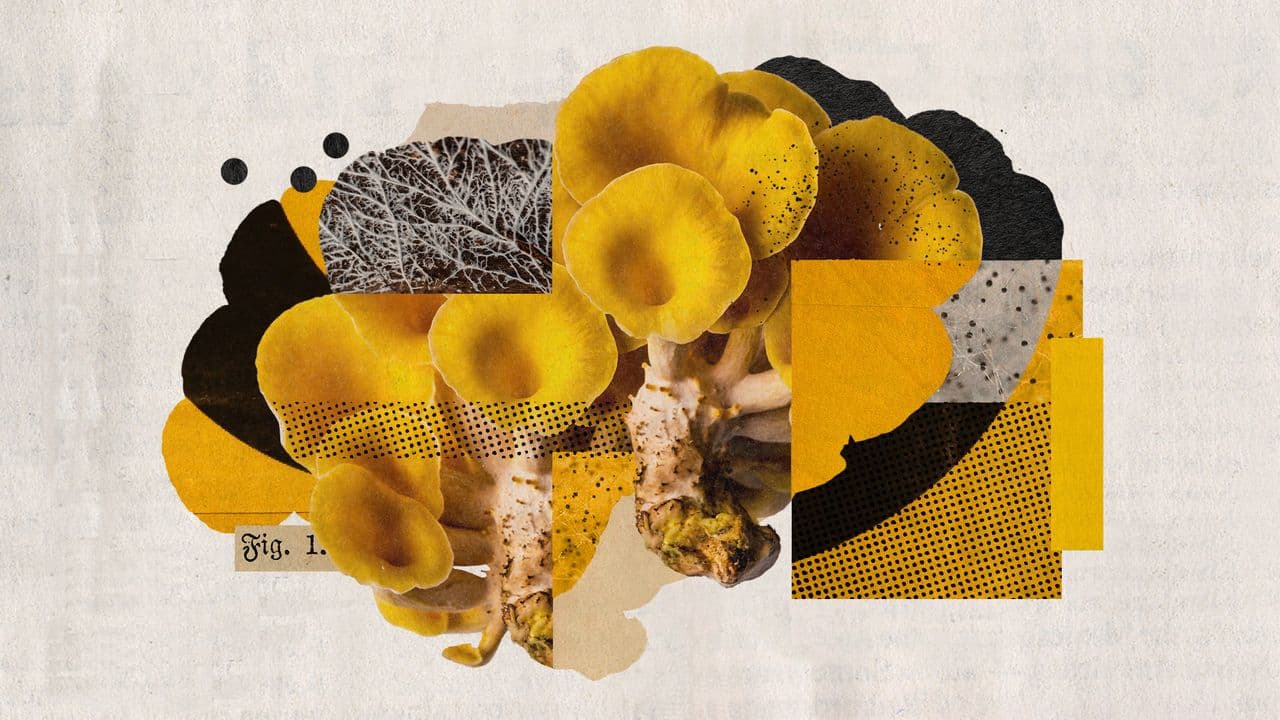
The bright yellow mushroom’s ability to reproduce quickly has caused it to spread across the continent, making it notoriously invasive. The species has already been found in 25 states.The fungus is “invisible for most of the year, living as mycelium, fungal strands within the wood,” said the BBC. In the spring, it “sends out its fruiting body,” which is “what we would recognize as the mushroom itself.” The “huge yellow clusters cascade out of logs and trees, each mushroom itself producing millions of microscopic airborne spores.” Though the golden oyster mushroom “isn’t yet posing a significant risk to Western forests, it is taking hold in the Northeast and Midwest,” said The Cool Down.When the mushroom is present in a forest, the “fungal community composition significantly changes, and fungal species richness significantly decreases,” said a 2025 study published in the journal Current Biology.
Trees colonized by the fungus have “about half the fungal biodiversity as trees without the golden oyster,” Aishwarya Veerabahu, a mycologist at the University of Wisconsin-Madison and lead author of the study, said to the BBC. “That was a huge indicator that they are likely outcompeting the native fungi that were there.”Settling the sporeThe golden oyster mushroom “mainly grows on dead or dying hardwood trees, breaking down the tough wood fibers,” said the BBC. The fungi are gilled mushrooms, which have the ability to “release up to billions of spores.” These oyster mushrooms also “happen to be one of the few carnivorous mushrooms” and mainly prey on nematode worms.
Dead wood is a “crucial habitat for small animals and tree seedlings in the forest,” said Veerabahu. The spread of the mushroom could pose a risk to a variety of species. The golden oyster “grows and ‘chews’ through woods so rapidly,” and it could spell bad news for the “rate of decay of wood and for the carbon emissions that come from that.” Not only this fungus but all invasive fungi are “especially dangerous because so little is known about them,” said Oregon Live.Human trade brought the mushroom west.
“It’s a problem created by the way we use, grow and transport fungi,” said the BBC.And warmer temperatures due to climate change are creating conditions increasingly suitable for its spread. The mushroom’s “proclivity for expansion means it could soon become a problem in new territories,” including urban areas, said The Cool Down. To prevent the fungus from overtaking forests everywhere, “continued research, management efforts anchored in social theory and collaborative conversations about microbial endemism” will be necessary, said the study. “The cultivation of local species or development of sporeless mushroom strains could also mitigate risks.”