APRIL 15 — Poverty is often pictured in very obvious ways. We think of empty wallets, unsafe housing, or people wh...
APRIL 15 — Poverty is often pictured in very obvious ways. We think of empty wallets, unsafe housing, or people who cannot afford basic needs. For a long time, these images have shaped how we understand and measure poverty, mostly through income.
It is simple, clear, and easy to track. But today, that way of thinking is no longer enough. What is happening here is not always visible in data, but it is felt in everyday life.In Malaysia, poverty is less visible but more layered.
It’s becoming less obvious, yet more intricate. In my experience working with generation Z communities in the urban and rural area, many seem financially secure, but their struggles are often hidden as they are not poor by definition, but they are also not secure enough to feel stable. Consider a recent graduate in Kuala Lumpur, they own a smart phone, have access to internet and a job with modest salary.
By traditional standards, they are not poor. But their reality can feel very different. They may be working on short term contracts, facing high living costs, and worrying about their future.
Over time, this creates stress, uncertainty, and a sense of being stuck. And this is where the issue becomes more serious.To better understand this, we need to look beyond income. This is where the Multidimensional Poverty Index, or MPI, becomes useful.
Instead of focusing only on money, MPI looks at different aspects of life such as health, education, and living conditions. These are the things that truly shape a person’s well being. This shift is important because income does not always tell the full story.
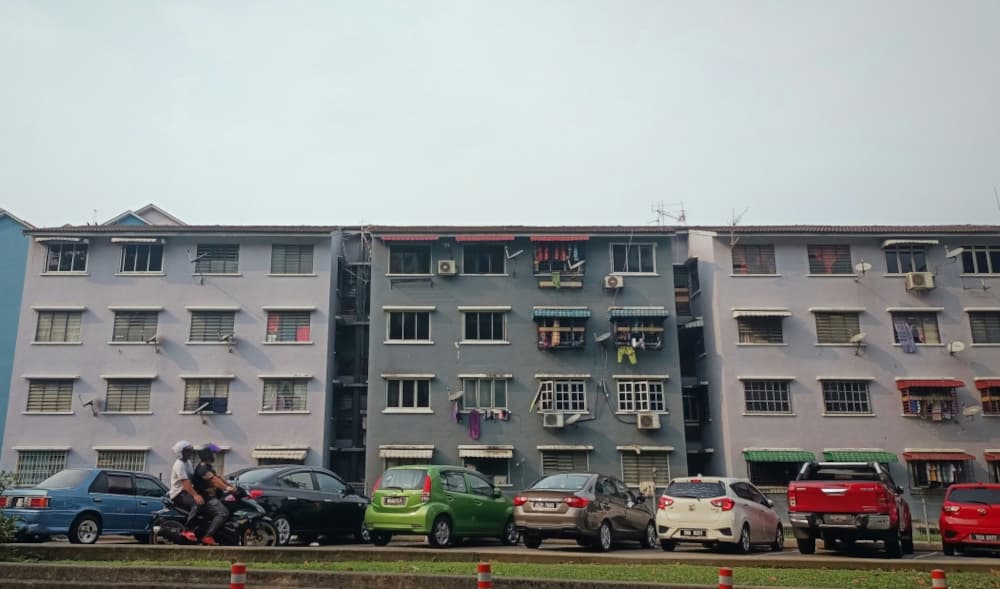
A person may earn enough to be above the poverty line, but still face difficulties in accessing healthcare, receiving quality education, or living in a safe environment. In these situations, income can give a false impression of stability. The authors say poverty in Malaysia is increasingly hidden from view, yet more complex and multi-layered than before. — Unsplash pic Malaysia has made significant progress in reducing income poverty, and this is something that should be recognised.
But at the same time, these numbers do not tell the full story. As reflected in 2024 data from the Department of Statistics Malaysia, which reports an absolute poverty rate of 5.1 per cent decline from 6.2 per cent (2022) and a sharp decline in hardcore poverty to 0.09 per cent, down from 0.2 per cent (2022). While these figures highlight meaningful national progress, they also reveal important disparities, with urban poverty at 3.7 per cent compared to 9.9 per cent in rural areas.
At the same time, a relative poverty rate of 16.7 per cent, based on a higher living standard threshold, suggests that a larger segment of the population continues to face constraints in achieving a decent quality of life and this should be recognised. However, this success can sometimes hide deeper issues and poverty has not disappeared, it has simply changed form. Across the country, some communities still face challenges in accessing quality services and opportunities.
These challenges are not always obvious, but they affect people’s long term well being. The generation Z may not call this poverty, but they feel it every day, as they are growing up in a fast-changing environment. Digital technology, new types of jobs, and shifting economic conditions have created opportunities, but also new risks.
This generation is working in unstable jobs, including gig work or short-term contracts. At the same time, what they study does not always match what employers need. Living costs in cities continue to rise, often faster than starting salaries.
In reality, this creates pressure for those who are already employed. On top of that, this group faces mental health challenges as they try to balance expectations, responsibilities, and uncertainty about the future.These issues may not be labelled as poverty, but together they create real difficulties. Life becomes less stable, choices become limited, and planning for the future becomes harder.
This is what we can call invisible poverty. In invisible poverty, individuals appear to be doing fine, but they are quietly struggling. They are not excluded from society, but they are not fully secure either.
Poverty, in this sense, is no longer only about lacking money. It is also about lacking security, opportunities, and control over one’s life.Malaysia’s development has improved many lives, but gaps still remain. Rural communities, indigenous groups, and parts of the urban population continue to face challenges.
These are not always about income, but about access to better services and opportunities. There is growing awareness of this issue. Efforts by the Department of Statistics Malaysia to include multidimensional measures show that poverty is now being understood in a broader way.
These efforts highlight that even when income improves, differences in education, healthcare, and living conditions still exist. For generation Z, these challenges are mos