APRIL 15 — It still surprises me. Every now and then, I meet someone who asks a question that makes me pause. ...
APRIL 15 — It still surprises me. Every now and then, I meet someone who asks a question that makes me pause. “Doctor, specialists only come on certain days, right?”, “After midnight, there won’t be doctors around… correct?”“If I go to the emergency department at 2am, will anyone even be there?” I understand where these questions come from.
Healthcare can feel distant unless we’ve experienced it firsthand. But the truth is this: Government hospitals in Malaysia never sleep. Not even for a moment.
In truth, this is the nature of healthcare, whether in the public or private sector.A system that runs 24 hours, every dayAcross Malaysia, Ministry of Health (MOH) facilities form the backbone of our healthcare system. According to data from the Department of Statistics Malaysia and Ministry of Health reports:there are over 160 government hospitals nationwidesupported by more than 1,000 Klinik Kesihatanhandling millions of patient visits annuallyEmergency departments alone see an enormous load, millions of cases each year, ranging from minor illnesses to life-threatening emergencies. And these services do not stop at 5pm.
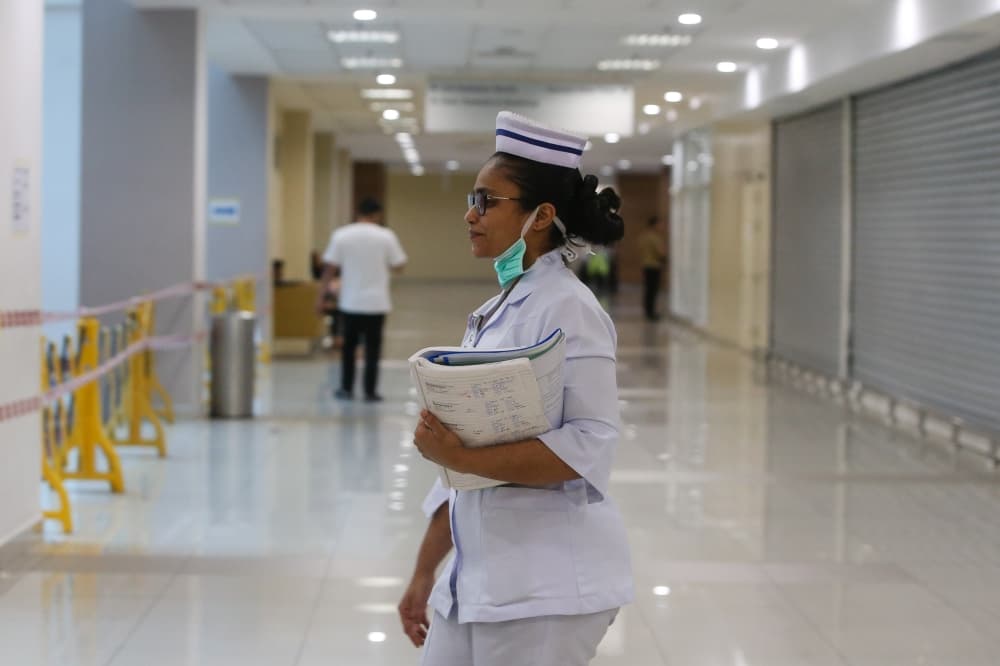
According to the author, government healthcare in Malaysia is not without its challenges. But it is resilient, committed, and always present. — Picture by Yusof Mat Isa They do not pause at midnight. They continue through weekends, public holidays, and long nights.
Whether it’s Hari Raya, or even a pandemic, the hospital is never shut down. What happens at 2am?While most of the country is asleep, hospitals are still very much awake. At 2am:A child with breathing difficulty is being assessed in the emergency departmentA patient with chest pain is undergoing urgent evaluationA trauma team is managing victims from a road traffic accidentA premature baby in the neonatal unit is being closely monitoredNurses are doing their rounds.
Medications are being administered. Vital signs are checked continuously. Doctors (house officers, medical officers and even some specialists) are reviewing patients, making decisions, and responding to emergencies.
Care does not slow down. It simply shifts into a quieter, but equally critical rhythm.Where are the specialists?Another common question is about specialists. While not all specialists are physically present in the hospital overnight (especially in district hospitals with only 1 or 2 specialists), they are always on call.
At any hour:Cases are discussed with specialistsGuidance is provided in real timeUrgent situations trigger immediate escalationAnd when needed, specialists do come in, whether for emergency surgeries, critically ill patients, or complex cases. The system is built on layers of support. No doctor works alone.The emergency department never closesEmergency departments are designed to function 24 hours a day, seven days a week.
They are staffed in shifts by teams that include:Doctors at various levels of trainingNurses and medical assistantsSupport and allied health staffBecause illness does not follow office hours and neither can healthcare. Work-from-home may apply to many professions but not to healthcare professionals.Klinik Kesihatan: The unsung backboneBeyond hospitals, Klinik Kesihatan play a crucial role in keeping the nation healthy.Every day, they provide:Maternal and child health servicesImmunisationsChronic disease management (diabetes, hypertension etc.)Acute care for common illnessesMany handle hundreds of patients daily, easing the burden on hospitals and ensuring continuity of care within the community.
They are often the first point of contact and one of the most important.What the public may not seeBehind this system are people.The nurse who continues her shift through the night, ensuring every patient is cared forThe doctor who stays back after a long call to review a sick child one more timeThe team that works through meals because emergencies do not wait.This is not extraordinary. This is everyday life in our public healthcare system.Why awareness mattersThese misconceptions, though understandable highlight a gap in awareness. Understanding how the system works helps build trust, confidence and appreciation for the people behind the care.
It also reassures the public that help is always available at any hour.A system that keeps goingGovernment healthcare in Malaysia is not without its challenges. But it is resilient, committed, and always present. At 10am, 10pm or 3am, at any given moment, someone, somewhere, needs help and someone is always there to provide it in the hospitalA personal noteAs a doctor working within this system, I have seen firsthand the dedication of countless colleagues across hospitals and Klinik Kesihatan, who show up, day after day, night after night.
They are not doing it for recognition. But because it matters and because patients matter. And because this system, despite its demands, continues to serve millions of Malaysians every year.
I am proud to be part of it. I urge my juniors and all those aspiring,