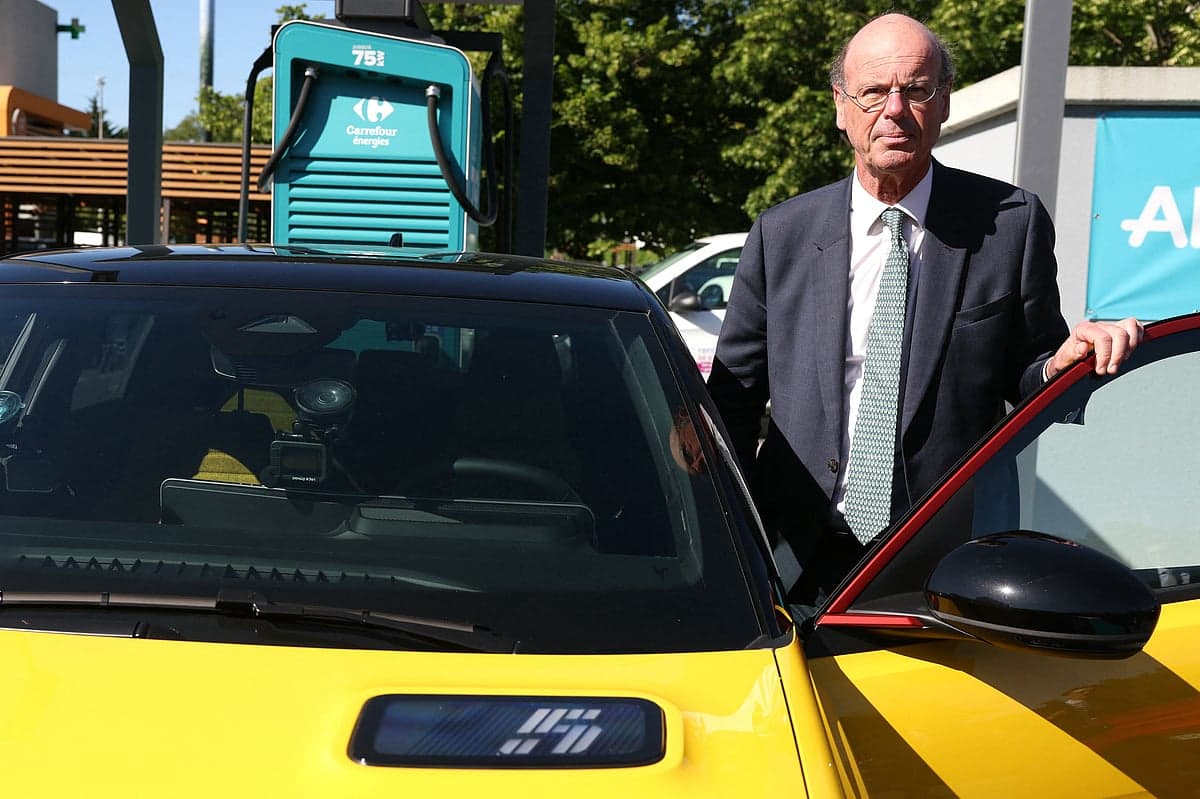
France plans to nearly double annual electrification spending to €10 billion, or about $10.7 billion, by 2030, local media reported.For Prime Minister Sebastien Lecornu, the move marks a pivot from broad fuel subsidies and toward targetted investment in electric vehicles (EVs), heat pumps and other low-carbon systems, even as the government is mulling over plans to limit fuel retailers' profits, local media including Le Parisien reported.The funding increase will come from reallocating existing spending, instead of new borrowing.Europe EV sales: Top 30 countries leading transitionClear breakThe shift marks a clear break from France’s 2022 response to surging energy costs, when the state spent tens of billions of euros cushioning households and businesses from higher fuel bills.That approach helped protect consumers but also widened fiscal pressures, leaving France with the eurozone’s largest budget deficit and more exposed to higher borrowing costs, as per Bloomberg. Toyota bZ4X SUV jumps to No. 3 best-selling EV in the US Lecornu was quoted as saying that the government wants to avoid “measures that are too generous, too costly” and that create windfalls without solving the "underlying problem".
Instead, the state will focus on helping people and companies switch from fossil-fuel dependence to electricity over the long term, with support aimed at those most vulnerable, as per Reuters.Aid package for car-dependent workersA planned aid package for car-dependent workers was paused after oil prices eased following an Iran cease-fire, but officials have said they could revive assistance if fuel prices rise again and begin to squeeze households.Faster, cheaper electric buses hit 60% of new units: How Europe leads the way France’s broader energy strategy marks a major shift in the underlying dominant transport and heating technology used by local consumers, now focussing on an available solution, rather than repeatedly offsetting fuel shocks.It marks a new thinking Paris, believing that electrification will ultimately reduce future exposure to oil volatility and make emergency subsidies less necessary, BloombergA liter of diesel has increased by more than 65 cents, reaching an average of €2.31 last week, an increase of 8 cents compared to the previous week. Meanwhile, the price of unleaded 95 (SP 95) has remained stable at €1.99 week-on-week.Le Parisien reported that Paris is aware of the growing social discontent among consumers, and that the government is "working very seriously on implementing an exceptional measure" to cap retailers' profit margins.A draft decree has been prepared for submission to Council of State and will be "urgently" reviewed by the National Consumer Council (CNC).EV makers eye Philippines as Manila sets ₱60-billion incentives, ends ICE subsidy amid global oil shock